Mobile Battery Energy Storage Systems (BESS) are rapidly moving from niche applications into the mainstream of utility, municipal, and industrial energy planning. A review of recent announcements from Nomad Power highlights how transportable battery systems are being used today to replace diesel generation, reduce peak demand costs, and deliver fast, flexible power where permanent infrastructure is not practical.
Mobile Batteries Replacing Diesel Generators
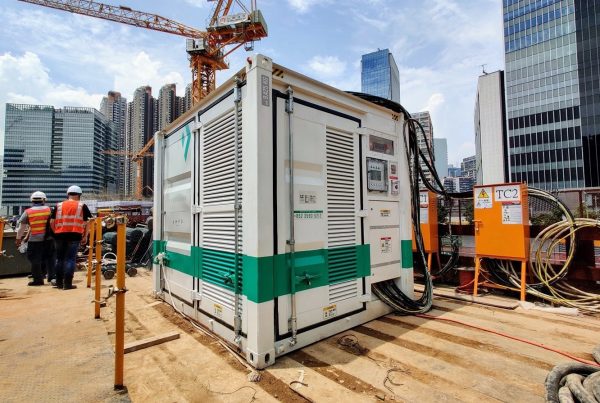
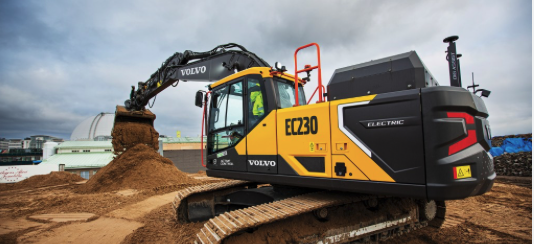
Several recent Nomad Power deployments demonstrate a clear shift away from diesel generators toward clean, battery-based power. Nomad’s transportable systems are increasingly used for applications traditionally served by fuel-powered generators, including emergency response, construction, events, and remote industrial sites. Battery systems offer immediate power, quiet operation, and zero on-site emissions, addressing many of the operational and environmental challenges associated with diesel equipment.
Towable Energy Storage for Rapid Deployment
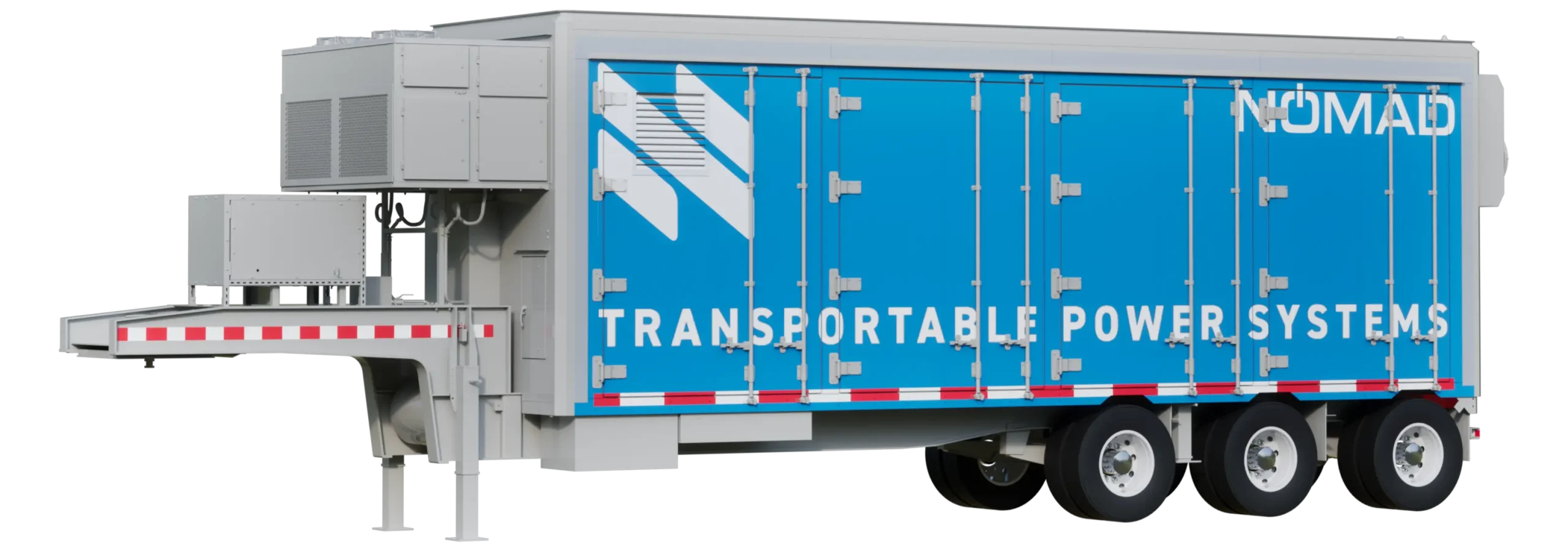
Nomad Power has continued to expand its portfolio of towable and transportable energy storage platforms, including systems designed to be moved by standard trucks. These systems allow energy to be delivered directly to the point of need without permanent installation, permitting, or lengthy construction timelines. This model is particularly valuable for utilities managing temporary capacity shortfalls or industries operating in remote or changing locations.
Peak Shaving and Demand Charge Reduction
One of the most compelling use cases for mobile BESS highlighted in Nomad’s news is demand charge management. In utility pilot projects, mobile battery units were deployed strategically during peak seasons to reduce short-duration demand spikes. By charging during off-peak hours and discharging during critical windows, utilities were able to significantly lower demand charges without investing in permanent infrastructure. This approach creates fast payback and operational flexibility.
Advances in Battery Technology and Safety
Recent announcements also emphasize the importance of battery chemistry and system design. Nomad Power’s integration of Lithium Iron Phosphate (LFP) battery technology reflects a broader industry trend toward chemistries that prioritize safety, durability, and long cycle life. These advancements support mobile applications where systems may experience frequent transport, variable duty cycles, and challenging environmental conditions.
Financial Incentives Accelerating Adoption
Government and regional incentive programs are playing a key role in accelerating adoption of mobile energy storage. Nomad Power’s participation in clean energy voucher and incentive programs demonstrates how financial support can help organizations transition away from diesel generators. These programs lower upfront costs while delivering long-term operational savings and emissions reductions.
What This Means for Utilities and Municipal Operators
Taken together, these developments point to a future where mobile batteries become a standard tool in grid operations. Utilities and municipal operators can deploy transportable storage for emergency backup, capital deferral, seasonal load management, and resilience planning. Instead of building fixed assets for short-duration needs, mobile BESS allows infrastructure to be shared, redeployed, and optimized across multiple sites.
A Growing Role for Mobile Energy Storage
The recent body of work from Nomad Power illustrates how transportable battery energy storage is moving from experimental deployments to proven, commercially viable solutions. As battery technology continues to improve and incentive programs expand, mobile BESS will play an increasingly important role in replacing diesel generation, improving grid flexibility, and supporting decarbonization goals.
Reference and credit: Content informed by publicly available Nomad Power news releases and project announcements https://www.nomadpower.com.