HIGH-RISE · URBAN INFILL · DOWNTOWN CORES

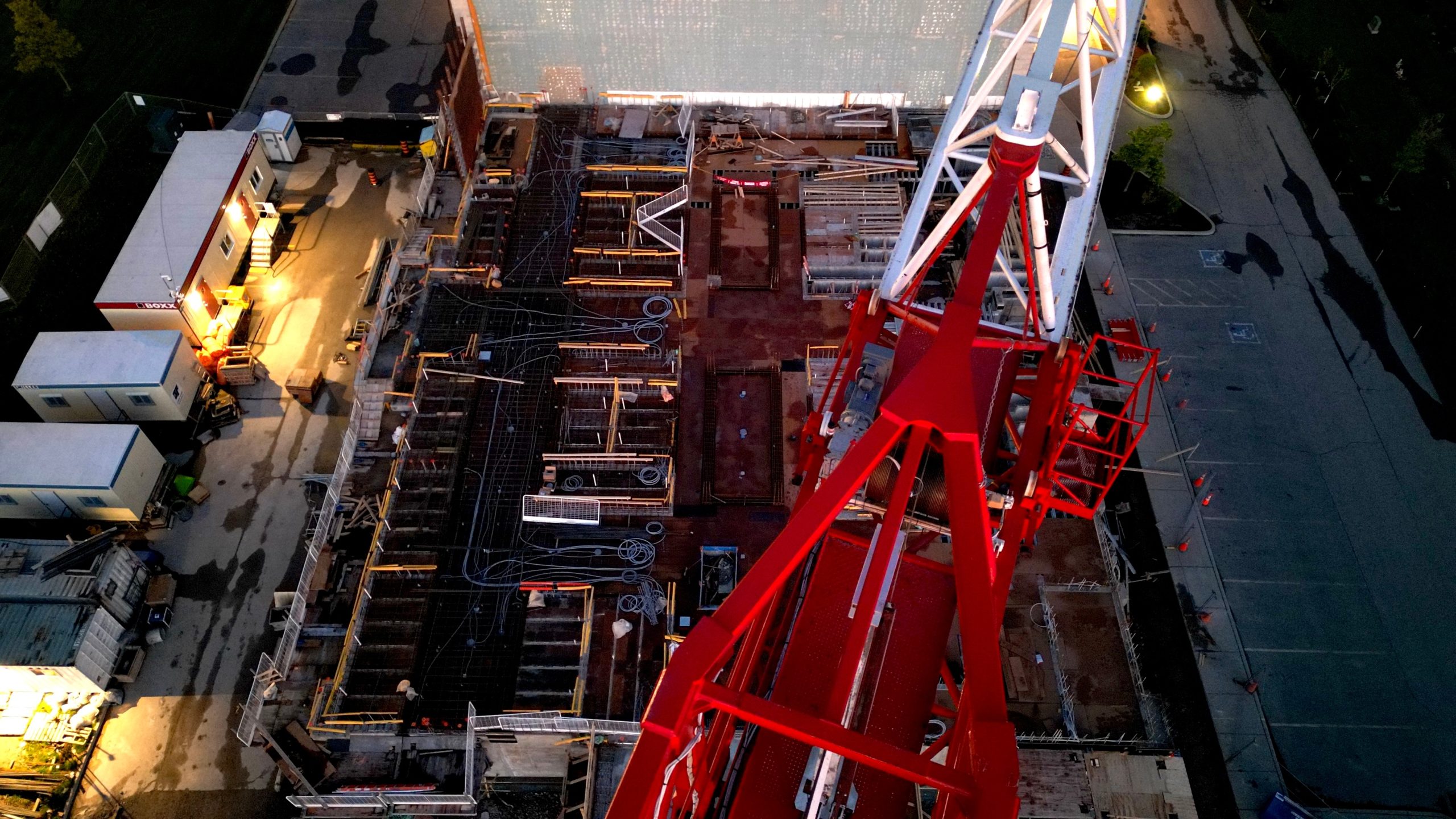
Tight Sites. Limited Services.

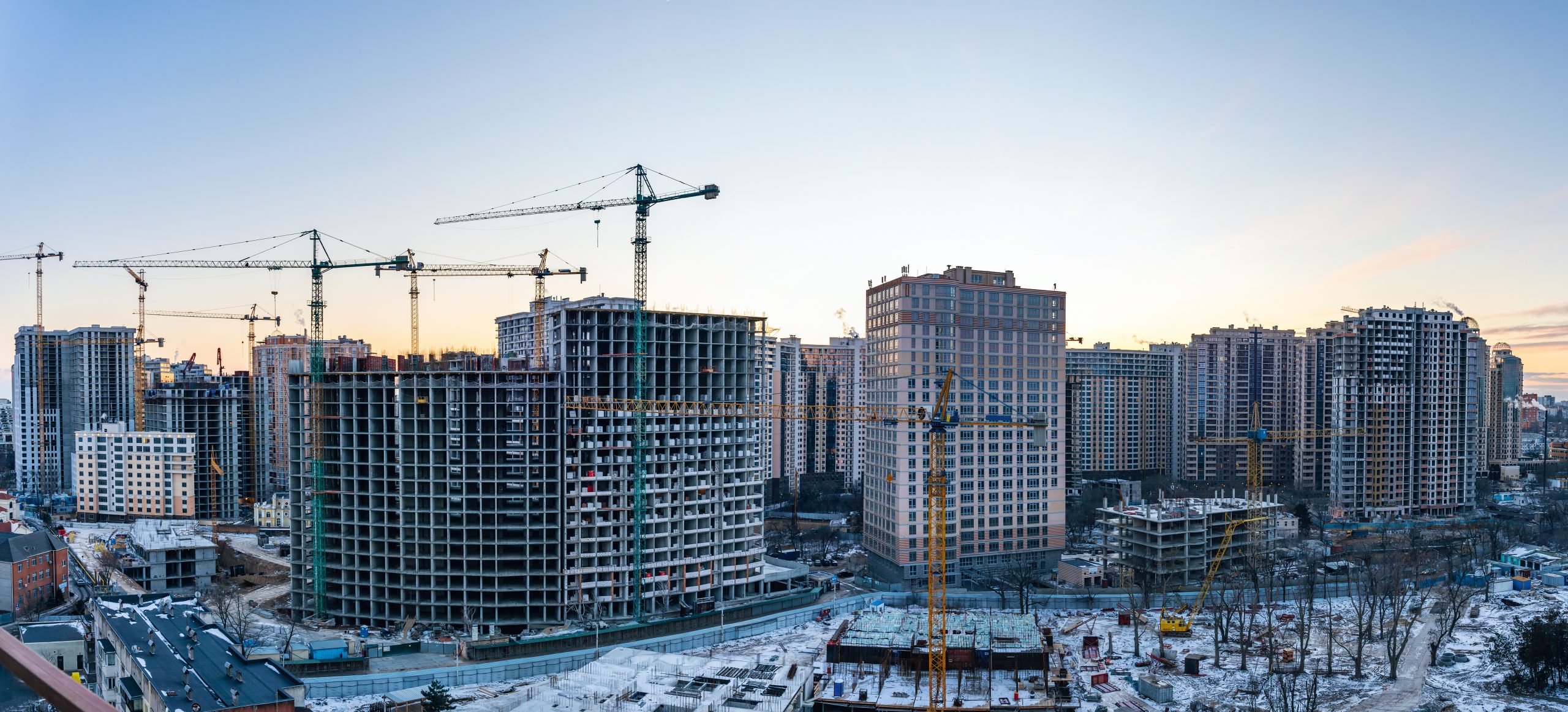
Downtown projects rarely fail on equipment. They stall on the service — a temporary supply that cannot carry the hoist and the crane together, and a utility upgrade measured in quarters rather than weeks.

Battery storage lets a modest connection behave like a much larger one, so the schedule stops waiting on the transformer.

Model Your Site Power
THE REAL BOTTLENECK

The Service Is the Constraint | Not the Schedule.

An urban site is allocated the power the block can spare, not the power the build needs. That number is set by peak demand — hoist acceleration, crane hoisting, and whatever else happens to run at the same moment.

A battery decouples the two. Peak events come out of storage; the service only has to cover average draw and recharge. The connection you were given stops being the ceiling on what you can mobilize.

NEIGHBOURS AND BYLAWS

Quiet Enough for the Block.

Urban sites work with noise bylaws, restricted hours and residents on three sides. A generator idling through the night to hold a small base load is the most expensive noise on the project — in complaints, in restrictions, and eventually in schedule.

Battery systems carry that load silently, with no exhaust at street level, and let generation run only in defined windows when it is least disruptive.

NEIGHBOURS AND BYLAWS

Quiet Enough for the Block.

Urban sites work with noise bylaws, restricted hours and residents on three sides. A generator idling through the night to hold a small base load is the most expensive noise on the project — in complaints, in restrictions, and eventually in schedule.

Battery systems carry that load silently, with no exhaust at street level, and let generation run only in defined windows when it is least disruptive.

WHAT CHANGES

What Changes on a Downtown Site

On a constrained urban site the power strategy touches almost everything else — what equipment can mobilize, how early it can start, how much staging area it consumes, and how the project reports itself to the city and the client.

01Mobilize on the existing serviceStart with the supply available instead of waiting on a utility upgrade
02Hoist and crane togetherSimultaneous peak events stop competing for the same limited connection
03Smaller footprintA compact battery container replaces a larger generator and its fuel storage
04Reportable emissionsDisplaced fuel and runtime are measured, not estimated, for client and city reporting
49%
LESS FUEL BURN
DIESEL / BESS HYBRID
70%
LESS GENERATOR RUNTIME
GRID / BESS HYBRID
0.94 $/kWh
BATTERY POWER
BASELINE $1.25 DIESEL ONLY
MODELLED SCENARIO — PROJECTED FROM LOAD ANALYSIS, NOT YET FIELD-VERIFIED.
FOOTPRINT

Space You Do Not Have

Staging area downtown is measured in parking stalls. A construction-grade battery container delivers high peak output from a footprint smaller than a standard ISO container, fitting laneways, loading bays and the awkward corners that are all a dense site can offer.

REPORTING

Numbers the City Will Accept

Emissions commitments on urban projects increasingly need evidence rather than intent. Battery systems log output, state of charge and displaced fuel continuously, so what the project claims about its power use is something it can actually show.

HIGH-RISE · URBAN INFILL · DOWNTOWN CORES

Stop letting the service set the schedule.

Power strategy. Measured results. Better decisions. Send us the site constraints and the equipment list, and we will model what the connection can actually carry.

Let’s Model Your Project