Across Australia’s mining, logistics, construction, and port operations, one challenge appears again and again: how to deliver reliable, high-capacity power where permanent grid connections are impractical, uneconomical, or simply unavailable. Grid Rig is addressing this problem head-on with mobile battery energy storage and EV charging systems designed specifically for harsh, real-world industrial environments.
Solving the “Last-Mile Energy” Problem
Grid Rig positions its solutions around what it calls the last-mile energy challenge — delivering power precisely where operations take place, rather than forcing projects to wait for grid upgrades or depend on diesel generators. By using transportable battery systems, energy can be deployed directly to mine sites, logistics yards, ports, and temporary work zones, then relocated as operational needs change.
Mobile Battery Storage Built for Industrial Use
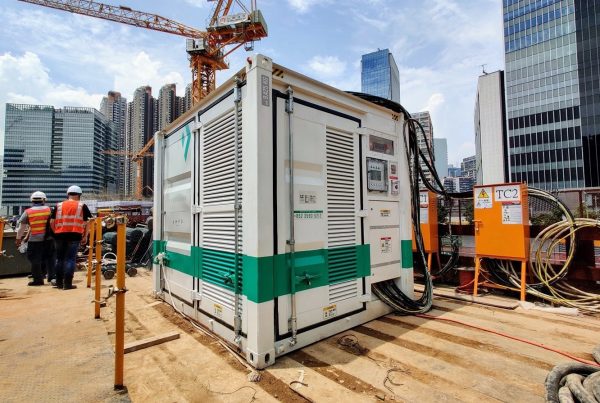
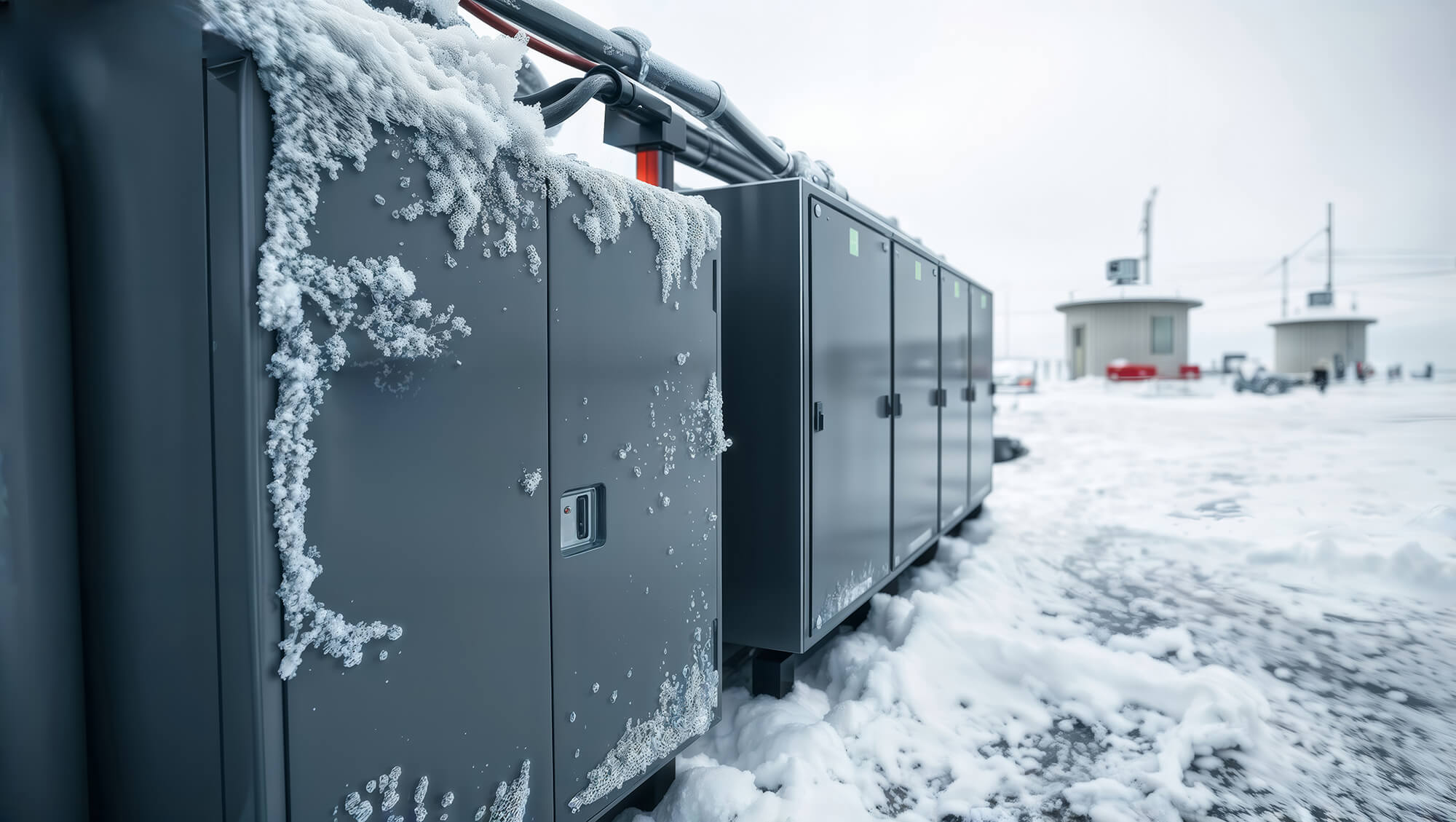
Unlike consumer or light commercial energy storage products, Grid Rig’s systems are engineered for demanding duty cycles. Their mobile battery units range from compact systems around 100 kWh to large-scale units delivering up to 2 MWh of storage with megawatt-scale output. These platforms integrate industrial-grade power distribution, fast DC EV charging, liquid-cooled thermal management, and rugged enclosures designed to withstand extreme temperatures, dust, and continuous operation.
Reducing Diesel Dependence Without Sacrificing Reliability
For many remote and temporary sites, diesel generators have historically been seen as the only viable option. Grid Rig demonstrates that mobile battery energy storage can significantly reduce or even replace diesel usage in many scenarios. Batteries provide instant power, eliminate noise and exhaust emissions on site, and reduce fuel logistics, maintenance requirements, and operational downtime.
Supporting Electrification of Industrial Fleets
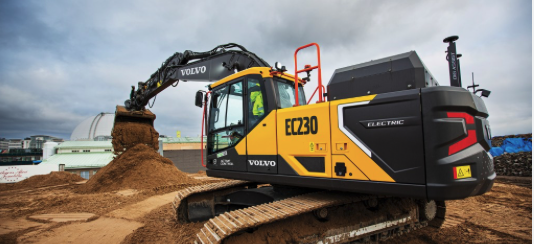
As Australian industry accelerates the adoption of electric vehicles and electric heavy equipment, charging infrastructure often becomes the limiting factor — particularly in remote locations. Grid Rig’s mobile EV charging systems bridge this gap by delivering fast DC charging without the need for permanent electrical infrastructure. This enables fleet electrification to move forward without waiting years for grid connection upgrades.
Engineering, Safety, and Regulatory Compliance
A consistent theme across Grid Rig’s work is the integration of advanced energy technology with practical compliance. Systems are designed to meet Australian standards, with attention to electrical certification, fire safety, and operational reliability. This approach is critical for deployment at Tier 1 industrial sites, where safety, insurance, and regulatory approval are non-negotiable.
A Model for Flexible Energy Infrastructure
What Grid Rig illustrates is a shift in how infrastructure can be deployed. Instead of building permanent assets to meet temporary or seasonal needs, mobile energy storage allows power capacity to move with the work. The same battery system can support multiple sites over its lifetime, improving utilisation while reducing capital risk.
Why Mobile Energy Storage Matters
Grid Rig’s approach highlights the growing role of mobile battery energy storage in Australia’s energy transition. By delivering reliable, compliant, and redeployable power where the grid can’t reach, mobile systems are becoming a practical tool for reducing diesel dependence, supporting electrification, and improving resilience across industrial operations.
Reference and credit: This article is informed by publicly available information from Grid Rig Australia (grid-rig.com.au) and related product descriptions and industry material https://grid-rig.com.au.