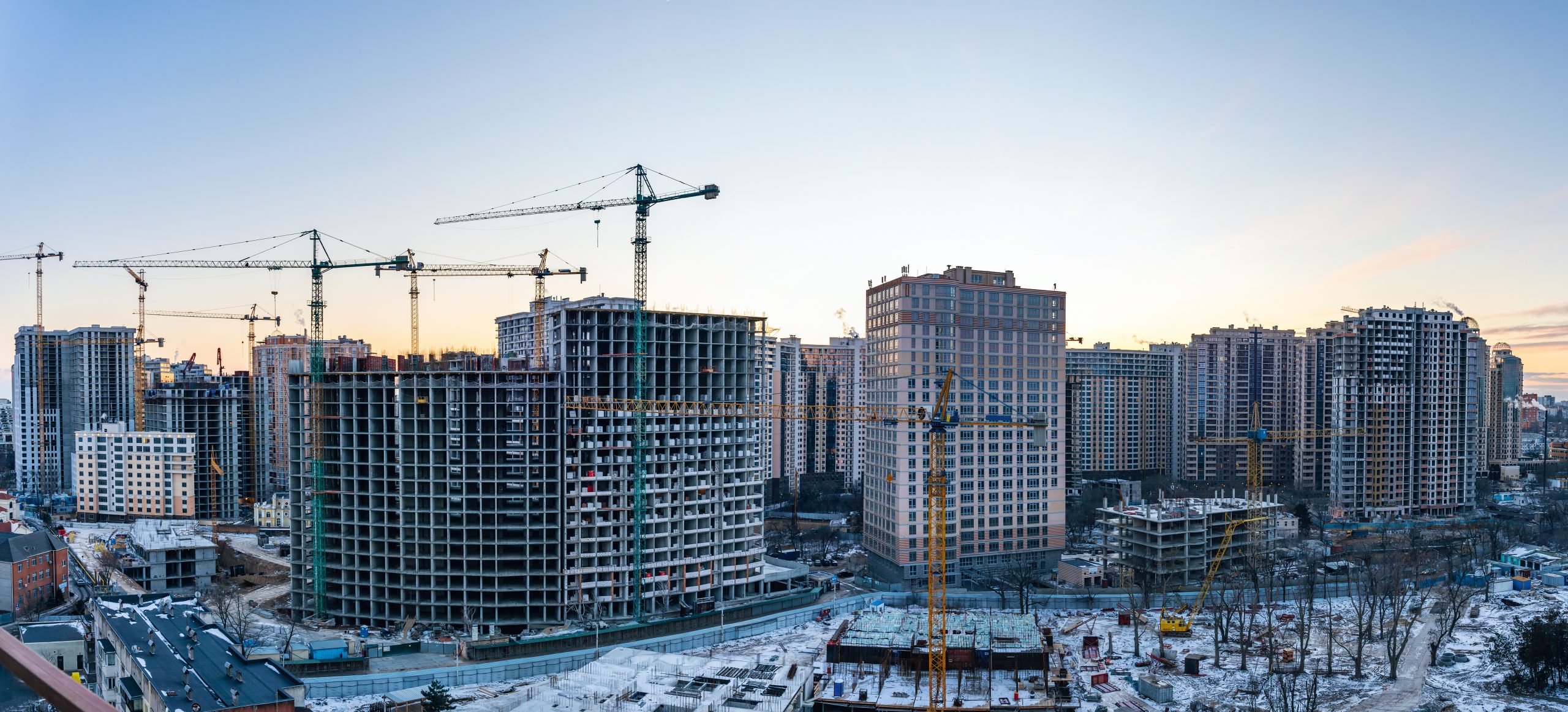
Tower cranes have a power problem that’s easy to miss. For most of a shift, a crane draws relatively little electricity. Then, for a few seconds during a hoist, it pulls a massive spike — several times its average load. Sites have traditionally solved this by installing a diesel generator large enough to handle that rare spike, which means the generator spends most of its time running underloaded, burning fuel just to be ready.
Battery energy storage systems (BESS) are changing that equation. Instead of sizing a generator for the worst case, a battery bank sits between the power source and the crane. It charges steadily during quiet periods and discharges instantly the moment the crane needs a burst of power, letting the generator — or even just a grid connection — be sized for the crane’s average load rather than its peak.
## A Real Project: South Clyde Energy Centre, Glasgow
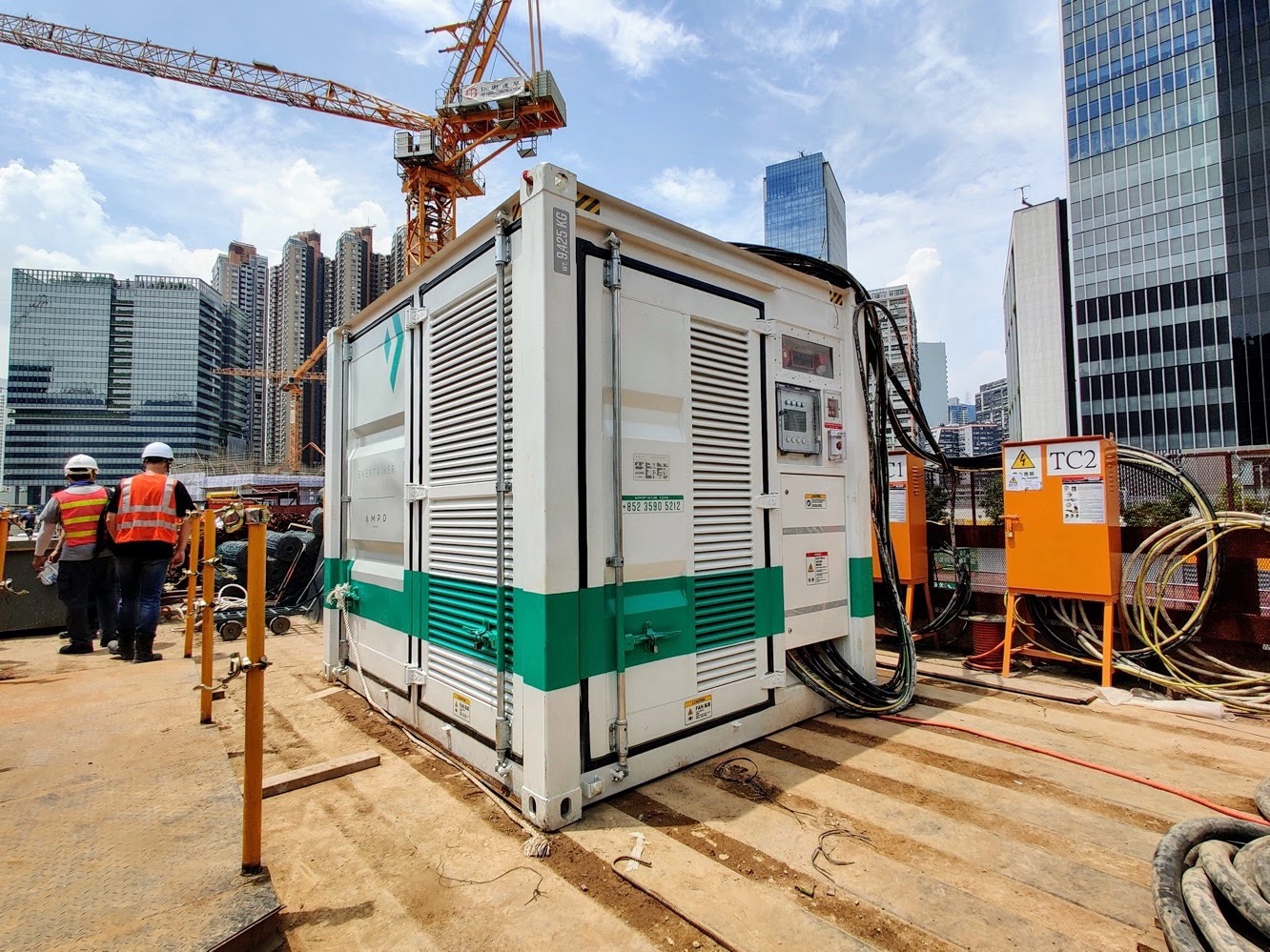
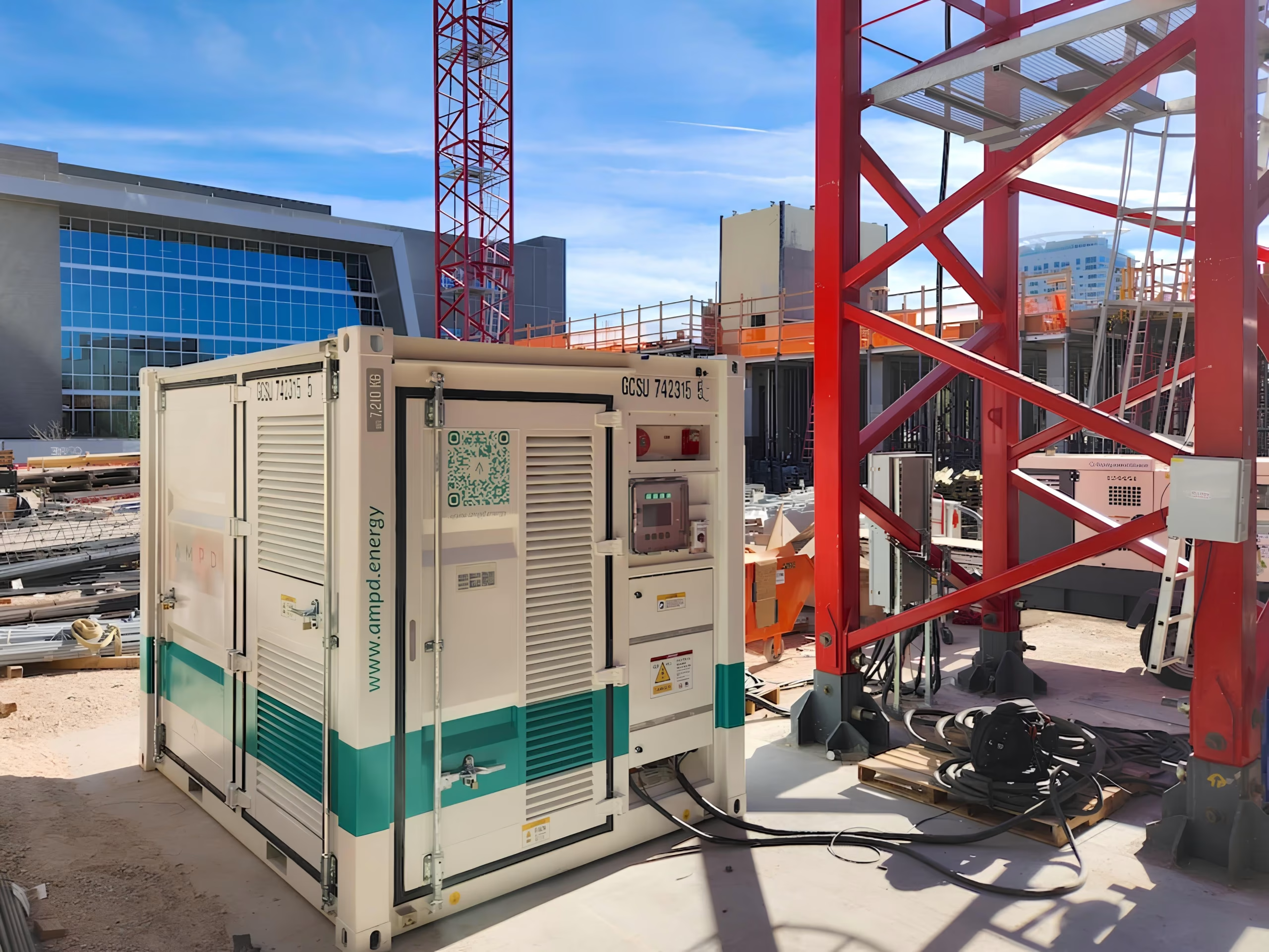
This isn’t a theoretical benefit. At the South Clyde Energy Centre in Glasgow, Scotland, main contractor Careys deployed an AMPD Enertainer battery system paired with a 100 kVA generator to power a WOLFF 355 B tower crane — replacing a 500 kVA diesel generator that had previously been running the crane. The site had an added constraint: aircraft warning lights on the crane needed power 24/7 due to a busy flight path nearby, which normally means idling a large generator around the clock.
Over a typical seven-day period, the results were substantial:
– 4,029 liters less diesel consumed per week
– 10.11 tonnes of CO2 emissions avoided per week
– £5,640.64 in weekly diesel savings, plus £275 in avoided rental fees for a separate battery pack that was no longer needed
– Roughly 32 times quieter than the diesel generator it replaced
The Enertainer’s 475-amp continuous output was enough that it could theoretically have powered two WOLFF 355 B cranes on site at once. Careys’ Head of Sustainability summed up the appeal simply: it’s “an economically viable way to be more efficient with diesel use,” with the added benefit of less noise and reduced impact on local air quality.
## What This Means for Western Canada
Projects like this matter beyond where they happen, because the underlying problem — a generator oversized for a crane’s rare peak — is the same on a tower crane site in Vancouver, Calgary, or Kelowna as it is in Glasgow. AMPD’s platform, including the AMPD 200 and AMPD 400 units, is built to compete directly with the battery energy storage systems already active in the Canadian rental market, and it’s a category we expect to see more of as contractors look for ways to cut fuel use, noise, and emissions without giving up reliability on active sites.
At kWattWorks, this is where our advisory work sits: helping crane rental companies and general contractors evaluate whether a battery hybrid setup fits a given project, working through the application planning and commissioning details, and making sure the numbers — not just the sustainability story — hold up before a contractor commits. You can see more on how this applies specifically to tower cranes at https://kwattworks.com/towercrane/
Battery-powered tower cranes aren’t a future concept — they’re running on active sites today, with the fuel bills and emissions data to show for it. The question for contractors in Western Canada isn’t really whether this technology works. It’s whether their next tower crane project is a good fit to try it.
—